Introduction,
The first time I switched off my torch in cave I swore out loud. Not because I was scared okay a little but because the ceiling suddenly looked like someone had pinned galaxy to the rock above my head. Hundreds of tiny blue green dots perfectly still, reflected in water below. My friend whispered, “Don’t move.” I wasn’t planning to.
That’s the thing about glowworm caves. Photos never get it right. You have to stand there in dark and let your eyes adjust.
If you are planning a trip, this guide covers the glowworm caves on New Zealand’s North Island, including a few lesser known spots and the small mistakes that can spoil your visit. Some of these are famous. A couple are secrets locals mention only if you ask nicely.
What Are Glowworms Really?
Here is the part that surprises most visitor: New Zealand glowworms are not worms. They are the larvae of a small fly and they only live in New Zealand.
The glow comes from a chemical reaction in their bodies. They hang down sticky silk thread from cave ceiling and use the light to lure in small insect which get tangled and become dinner. So the beautiful starry ceiling is basically very elegant trap. I find that oddly charming.
Secret #1: Waitomo Glowworm Cave
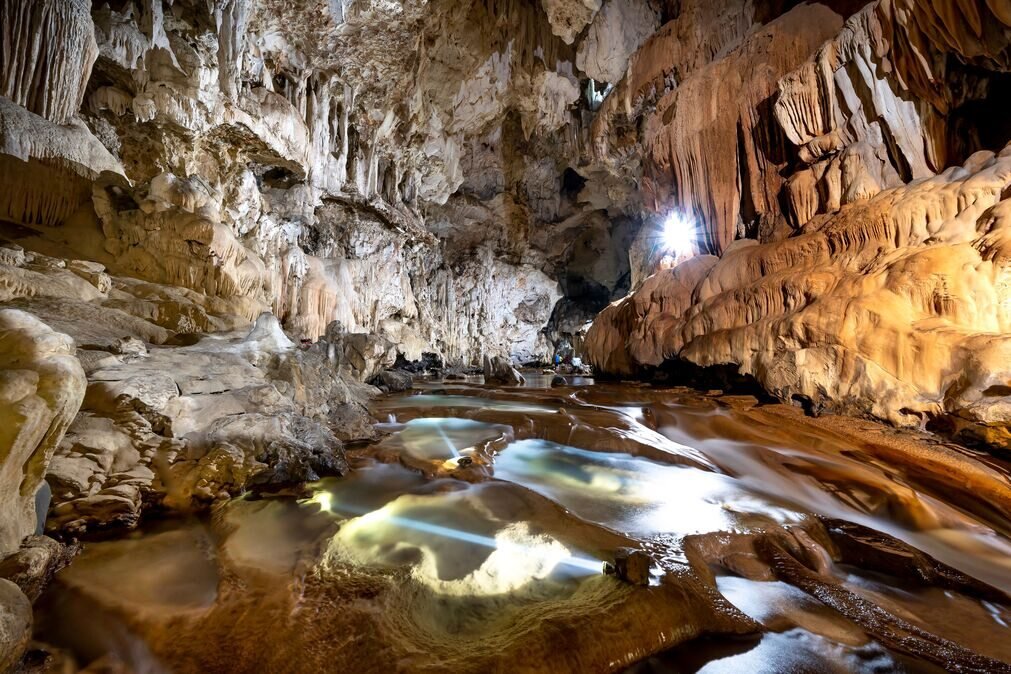
This is the famous one and honestly, it deserves the reputation. The Waitomo Glowworm Cave has been welcoming visitor for well over a century, and highlight is a boat ride through a dark silent chamber lit only by glowworms.
The secret here is timing. Mid morning mid afternoon are packed with tour bus. If you can book first slot of the day one of the late one experience feel completely different: calmer quieter far better for just soaking it in.
Secret #2: Ruakuri Cave
Ruakuri is the cave I recommend to people who say they “don’t really like crowds.” Tours are small and route feels more like exploring than being herded.
The entrance is an unusual spiral structure that takes you down into the cave, which is a fun start. Inside you’ll walk along raised walkways past limestone formations, waterfalls and glowworm displays. The guides often share Māori history about the area, which adds real depth.
I’d call it the thinking person’s glowworm cave. Less spectacle, more atmosphere.
Secret #3: Aranui Cave
Aranui doesn’t have the biggest glowworm display in Waitomo, and I’ll be upfront about that. What it has is some of the most delicate limestone decoration in the region: stalactites, stalagmites and fine formations in warm, pale tones.
It’s a dry cave, so you walk rather than float. If you love geology or photography, it’s a great add-on to a glowworm tour. Think of it as the cave you visit for the rock, with glowworms as a pleasant bonus.
Secret #4: Spellbound Glowworm and Cave Tour
Spellbound is a smaller-group tour that combines a walk with a gentle boat ride through a glowworm cave, and it’s run from a base outside the main Waitomo village.
What I like most is the pacing. You aren’t rushed, and the guides tend to let you sit in the dark for a good while. I always say the best glowworm moment is the first thirty seconds of silence, and here you actually get it.
It’s a solid choice if you want that Waitomo look without the busiest tour crowd.
Secret #5: Waipu Caves (Northland)
Not every glowworm cave on the North Island is a commercial attraction. Waipu Cave a short drive from Waipu township in Northland, is a free, self guided cave where you walk in with your own torch and see glowworms in a natural stream passage.
This is the “adventure” end and you need to be prepared:
- Bring two torches, in case one fail
- Wear shoes that can get very wet and muddy
- Go with at least one other person
- Check weather first because rain can raise water levels
- Respect the glowworms by keeping lights pointed at the floor
It isn’t polished, and that’s why people love it. Just treat it with respect, since there are no safety barriers or guides.
Secret #6: Kawiti Glowworm Caves
Near Kawakawa in the Bay of Islands Kawiti Caves is a guided cave with a glowworm chamber and plenty of limestone features. It is family run and has friendly small scale feel that big-name attraction can not match.
If you’re already exploring the Bay of Islands, it is an easy side trip. The walkways are short and well maintained, which makes it a good option for people who want to see glowworms without a long trek. For anyone staying in Northland, it save the long drive south to Waitomo.
Secret #7: Mangapohue Natural Bridge at Night
This one’s a favourite people who hate paying for things. Mangapohue Natural Bridge, west of Waitomo, is a limestone arch you can reach by an easy walk through a bush lined valley.
By day it’s a fun short stroll. After dark glowworms can often be seen along the cliff walls. It is quiet low effort way to see them in natural setting.
A word of caution go with a torch stay on the track and check current access condition locally before heading out at night.
Secret #8: Ruakuri Bush Walk After Dark
Near Waitomo village the Ruakuri Bush Walk follow a river through gorge and past limestone formations. It is a lovely walk in daylight and it is one of the places where visitors sometimes spot glowworms in the shadows of the track.
Tour operator also run guided night walks around the area. Whichever way you go remember keep torch beam low and give your eyes few minute to adjust. The glowworms will show up gradually like star at dusk.
Secret #9: Black Water Rafting and Cave Adventures
If you want to do something rather than just look Waitomo’s adventure operators offer black-water rafting and cave tubing: you float on an inner tube through cave stream wearing a wetsuit and helmet, with glowworms glowing above you.
It is cold, it is wet and it is brilliant. The thrill of drifting through darkness then switching off your lamp and looking up at that ceiling is something I still think about.
There are different level from gentle float more adventurous route with climbing and jumping. Check age fitness requirement before booking tell guide honestly about any health concern.
Practical Tips and Common Mistake
After enough cave trips, I have made most of the mistakes so you do not have to. Here is what I would actually tell a friend.
Do this:
- Book popular tour ahead especially in summer school holidays.
- Wear layer. Cave stay cool damp all year.
- Pack small red light low brightness torch for self guided spot.
- Your eyes adjust few minute before judging how many glowworms there are.
Avoid this:
- Using flash photography, which is generally not allowed in guided caves and harms the glowworms.
- Expecting to see the display from phone camera. Most phones can’t capture it properly.
- Touching cave walls, which damages formations and glowworm threads.
- Going to wild caves alone or after heavy rain.
My biggest tip: put the phone away. I spent my first visit trying to photograph it and ended up with a black rectangle. The second time I just looked, and it was far better.
Drawbacks and Challenges
It’s worth being honest. Glowworm caves aren’t perfect experiences for everyone.
Popular tours can feel rushed or crowded, and prices for the big commercial caves aren’t small, especially for families. Some people find enclosed dark spaces uncomfortable, and certain adventure tours involve tight squeezes and cold water.
There’s also weather. Heavy rain can close wild cave make stream unsafe and tour can be affected. Build flexibility into your itinerary single wet day does not ruin plan.
Finally glowworms themselves vary. Number and brightness change season moisture and disturbance so no cave can promise same sky every single time.
The Future of Glowworm Tourism
Operator and conservation group are paying more attention to protecting glowworm habitats. Expect more limit on group size better air quality management, and more education about how people affect the cave.
There is also growing interest in locally guided Māori-led experiences that share cultural stories attached to these place.Personally I think that is good direction. The best cave tour I have done were the ones where the guide explained why place mattered not just where to stand.
Conclusion
Glowworm caves are one of those rare travel experience that live up to the hype and then some. Whether you pick the famous boat ride at Waitomo a quiet corner like Ruakuri, a muddy free adventure at Waipu, the moment the lights go out is what you’ll remember.
My honest advice: choose one or two caves rather than cramming in all nine, go slowly, and spend more time looking up than looking at your phone. Be kind to the glowworms, and they’ll put on their show for the next visitor, too.
If you do go, I’d love to hear which cave became your favourite.
FAQs
1. What’s the best glowworm cave on the North Island?
Waitomo Glowworm Cave is the big name, and for good reason: you glide beneath the glowworms on a quiet boat ride. That said, “best” really depends on what you are after. If you’d like fewer crowds, Ruakuri or Spellbound are great picks. And if you want something free and a bit adventurous Waipu Caves up in Northland is tough to beat.
2. When is the best time to see glowworm?
Anytime! Glowworm glow all year and cave are dark whatever the season. Summer is the busiest time for visitor so winter or the shoulder seasons are usually calmer. If you are heading to an outdoor spot like bush walk just make sure you go after dark.
3. Can I take photo inside glowworm cave?
Usually not with a flash since it can bother the glowworms. Many guided tour ask you to skip photo altogether. Getting a good shot takes special long exposure settings anyway so honestly it is often nicer to put phone away and just soak it in.
4. How long do glowworm cave tour take?
Most guided tour last around 45 minute to an hour. Combo tour and adventure experiences can take several hours. At self guided spots like Waipu you can stay as long as you like. Times can change, so it’s worth checking the current schedule when you book.
0 Comments