Introduction,
Tallinn’s Old Town is a lovely place to explore on foot, with medieval towers, historic buildings, charming square around almost every corner. Since the area is quite compact, you can see many of its main highlights without spending hour traveling from one place to another.little planning can make your visit even easier, especially when walking through the sloping streets and deciding which landmarks you want to see first.
From famous historic site to quieter streets and beautiful viewpoint there is plenty to discover. This guide cover the best places to visit in Tallinn Old Town along with useful tips to help you make the most of your time.
Why Tallinn Old Town Deserves Your Time
Tallinn’s Old Town is one of the best preserved medieval city center in northern Europe and UNESCO added it to its World Heritage list in 1997. It grew up as Hanseatic trading city, which is why it feel a bit like stepping into a storybook. You get steep gabled merchant houses, church spires, narrow lanes, and defensive walls with pointy roofed towers.
What surprised me is how lived-in it feels. This isn’t a museum behind glass. People work here, cafés spill onto squares and a tiny courtyard might hide a craft shop or a restaurant. It’s also small enough to cover in half a day, though you could easily spend two.
The town has two natural halves. Toompea is the hill with the castle and cathedral, historically home to nobility and rulers. The Lower Town below was the merchants’ and craftsmen’s world. Walking between them, you basically climb through history.
Before You Start: Practical Basics
A few things will make the day much smoother.
- Shoes matter. The cobblestones are charming for photos and rough on ankle. Wear comfortable shoes with grip especially if it has rained.
- Start early. Between about 10 a.m. and 2 p.m. cruise passenger tour group fill the main square. Arriving by 8:30 or 9 a.m. Give you quiet lanes.
- Bring a small water bottle. The route has hills and lots of steps.
- Pay by card. Estonia is very card-friendly, though a few small coins are handy for restrooms in some places.
- Download an offline map. Signal is fine, but the narrow street can confuse GPS.
The route below takes roughly 3 to 4 hours at a relaxed pace, including photo stop but not long museum visits. It’s a loop so you can join it anywhere but starting at Viru Gate flows well.
Stop 1: Viru Gate and Viru Street.
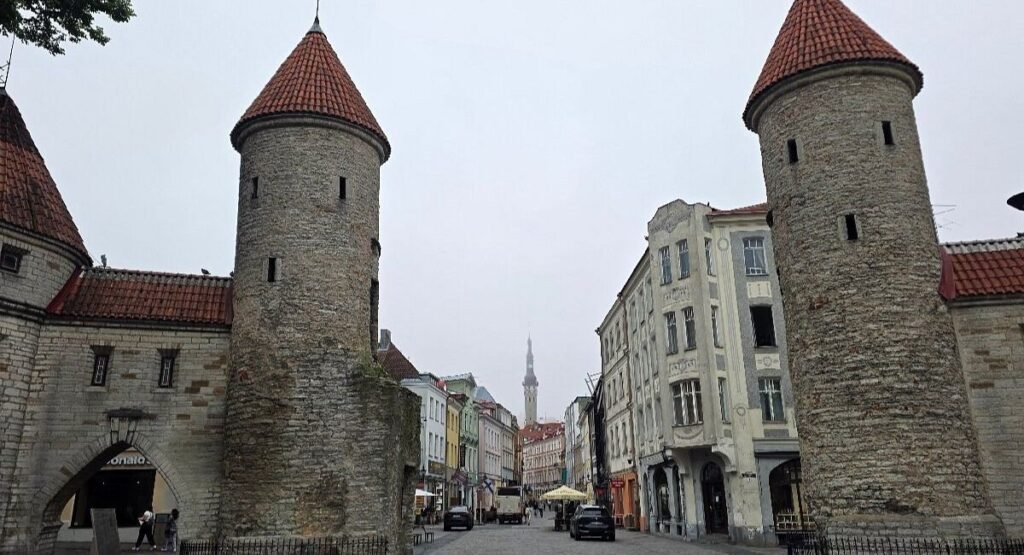
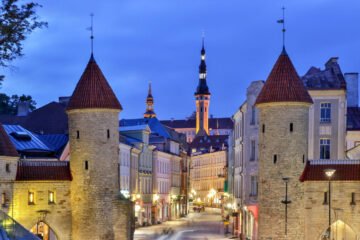
Most people enter the Old Town from the east through the remains of the Viru Gate, two round towers that once guarded the main entrance. Even if you have seen photos, it’s a great “okay, we’re really here” moment.
Viru Street is the busiest lane, lined with souvenir shops, flower stalls and cafés. Honestly, it is touristy. But it’s also a good warm-up, and the stalls selling knitted wool hats and mittens are worth a look. Estonia’s handmade woolens are the real deal, unlike some mass-produced trinkets you’ll spot nearby.
My tip: Don’t buy your souvenirs here on the first pass. Prices and quality vary, and you’ll pass better craft shops later. Just wander, look, and take a quick photo of the towers without a crowd if you’re early.
Stop 2: Town Hall Square.
At the end of Viru Street, the lane opens into Town Hall Square Raekoja plats, the medieval heart of the city. It has been a marketplace for centuries and it still feels like one. You will see outdoor café tables, occasional craft fairs, and, in winter the famous Christmas market.
The Old Town Hall, a Gothic building from the Middle Ages, dominate the square. Look at its slim tower and the little weathervane on top, known as Old Thomas (Vana Toomas), a local symbol. Depending on the season, you can climb the tower or tour the interior, and the view over red rooftops are worth the effort.
Across the square you will spot the Town Hall Pharmacy, which has been operating since the early 15th century and is often described as one of the oldest continuously running pharmacies in Europe. Step inside for a moment. It’s small, but the old-fashioned interior and displays of odd historical remedies are fun to browse for five minutes.
Personally, I sat on a step here with a coffee for twenty minutes just watching the square wake up. Sometimes doing nothing is best sightseeing.
Stop 3: Toompea Hill.
From the square, head uphill toward Toompea. You can take Pikk jalg (Long Leg), the main street, or the shorter, steeper Lühike jalg (Short Leg), which passes through a small gate tower. I prefer Long Leg going up, since it’s a gentler climb.
Alexander Nevsky Cathedral.
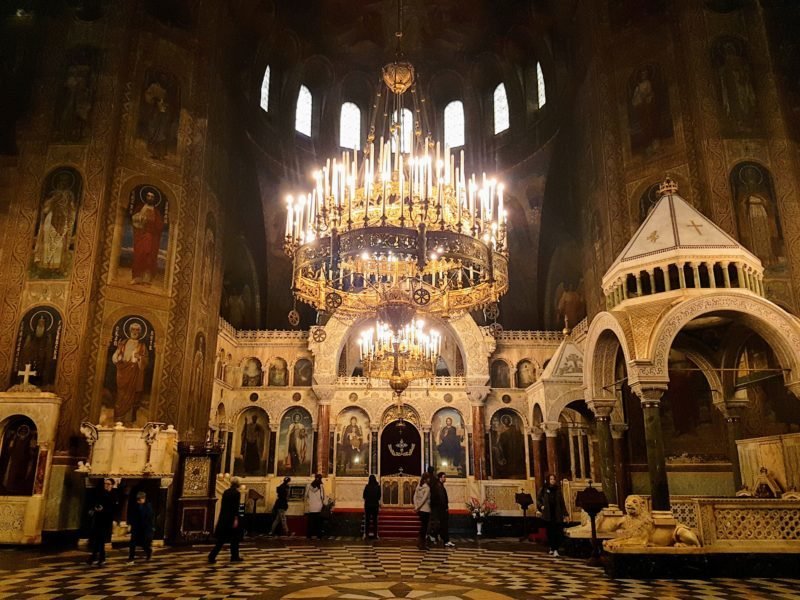
The first thing you will see is the Alexander Nevsky Cathedral, a grand Russian Orthodox church completed in 1900 with black-and-gold onion domes. It stand out sharply against the medieval buildings around it and locals have complicated feeling about its history. Regardless of your view the interior is quiet and beautiful.
Toompea Castle and Pikk Hermann
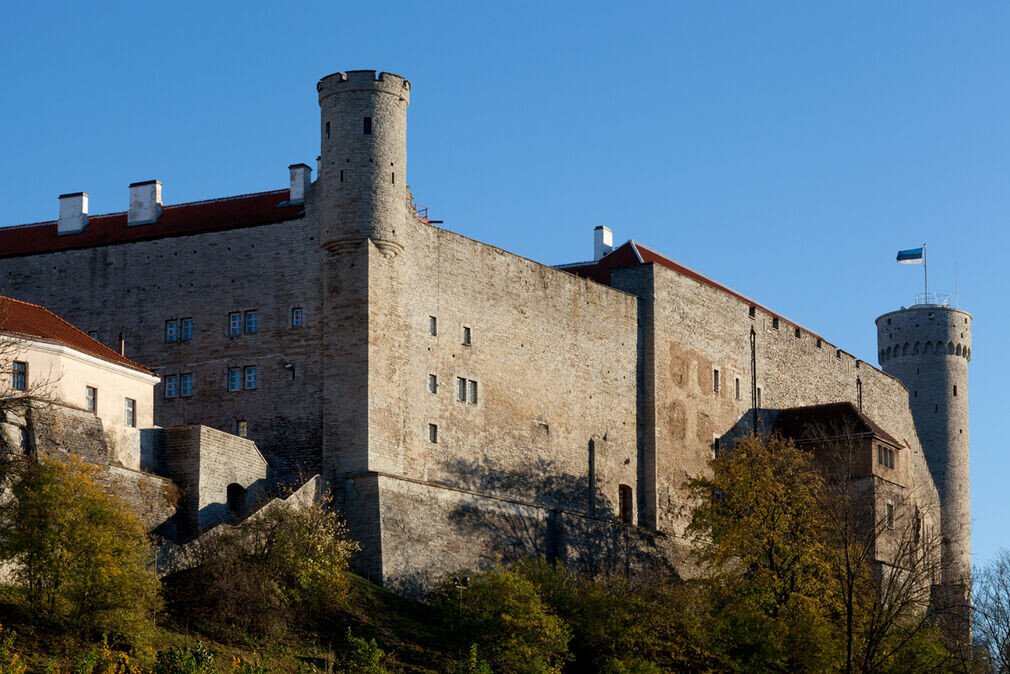
Right nearby is Toompea Castle, which today houses Estonia’s parliament. The pink Baroque-style façade looks almost cheerful next to the stern medieval tower beside it, Pikk Hermann (Tall Hermann). Every day, the Estonian flag is raised on that tower, a small but meaningful ritual for the country.
Viewing Platforms.
what makes the climb worth it. Two viewing platforms give you the classic photos of the Lower Town:
- Kohtuotsa – the most famous, with a wide view of rooftops, spires, and the sea beyond.
- Patkuli – a quieter platform, usually with fewer people and a nice angle over the city walls.
If you have time for one thing on the hill, make it Kohtuotsa. I went twice, once in the morning light and again near sunset and honestly the second visit was even better.
Stop 4: Lower Town Towers and City Walls
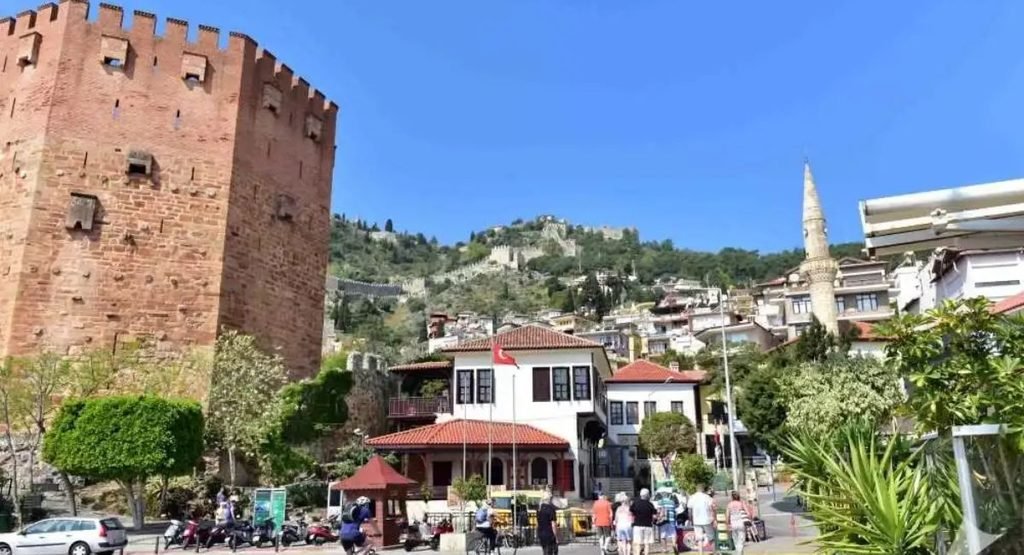
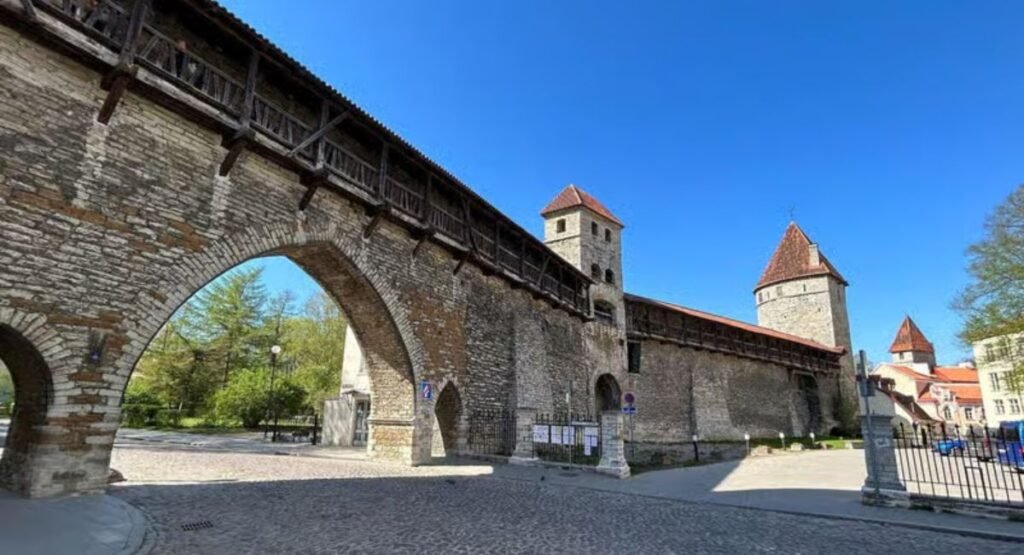
Back down the hill, the route takes you toward the defensive side of the Old Town. Tallinn kept a big chunk of its medieval city wall, along with many of its towers, and seeing them up close is one of the highlights.
Kiek in de Kök is a chunky artillery tower whose odd name means something like “peek into the kitchen,” supposedly because soldiers at the top could see into people’s homes. It now houses a museum about the city’s defenses and offers tours of underground tunnels. It’s a bit quirky, and I found the tunnels genuinely interesting.
Nearby you’ll find Fat Margaret’s Tower near the Great Coastal Gate. The wall towers also include a stretch called the Three Sisters, a trio of merchant houses that now form a boutique hotel, and a section of wall that you can climb in the warmer month for a walk along the ramparts.
If the wall walk is open, do it. Seeing the town from that height, with the tower lined up like chess pieces, gave me the best sense of how tightly the medieval city was packed.
Also worth a peek: St. Olaf’s Church, whose tall spire was once among the tallest structures in the world. You can climb the tower, but be warned: it is a narrow, twisty staircase with a lot of step. Skip it if you are claustrophobic or traveling with small children.
Stop 5: St. Catherine’s Passage and Hidden Corners
Now for my favorite part. The best parts of Old Town aren’t on the main streets. Tucked between Vene and Müürivahe streets St. Catherine’s Passage (Katariina käik) is a slim, atmospheric lane lined with small craft studios where you can see potter, glassmakers, and textile artists at work. Old gravestones line the walls adding to the mood.
A few more places worth ducking into:
- Niguliste Museum, a former church displaying medieval art, including a famous “Danse Macabre” painting fragment
- Müürivahe Street, a lane beside the walls with little stalls selling knitwear
- Hidden courtyards off Vene Street, some open during the day for a quick peek
I bought a small ceramic bowl in one of the Katariina käik studios, and it’s still on my kitchen shelf. That beats any fridge magnet.
Where to Eat and Take a Break
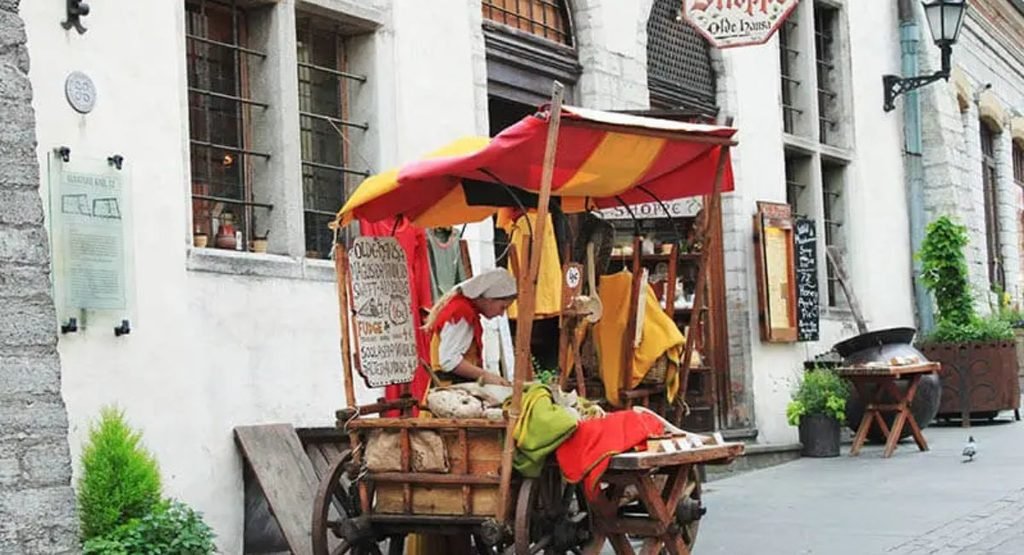
You’ll be hungry by now, and the food scene is better than the tourist reputation suggests. You will find both medieval-themed restaurants and modern Estonian kitchens.
Medieval-style dining can be fun. Servers wear costumes, candlelit rooms feel like movie set and you can try hearty dishes like game stew or roasted meat. It is touristy but memorable, especially in the evening. Book ahead in busy month.
Modern Estonian restaurants often put fresh spin on local ingredient like rye bread, smoked fish, root vegetables and berries. If you want a more authentic taste, I’d choose this over the costume places for lunch.
For a sweet break, try marzipan a longtime Tallinn specialty, or look for a historic café. Maiasmokk founded in the 19th century, is often mentioned as the oldest café in the city and lovely spot for cake and coffee.
Budget tip: Walk a few street away from Town Hall Square before choosing lunch. Price drop quickly, and the food is often better.
Common Mistake to Avoid.
After a couple of visits and a few blunders of my own, here is what I’d steer you away from:
- Rushing. Trying to see everything in two hours is exhausting. Choose your priorities.
- Skipping the hill. Some traveler stay in the Lower Town and miss Toompea’s views entirely.
- Wearing the wrong shoes. Flip flops and heels on cobblestones is a recipe for sore feet.
- Ignoring opening hours. Some towers, museums, and the wall walk have seasonal or limited hours so check before you go.
Best Time to Visit.
Summer brings long daylight and lot of visitors. It is lively though crowded. Late spring and early autumn are my favorit: mild weather fewer people and soft natural light for photo. Winter is cold and dark early but the Christmas market make the Old Town feel magical with mulled drinks sparkling lights and snow on the rooftops. Just dress in serious layer.
Wherever you go remember that weather change quickly near the Baltic Sea so a light rain jacket is smart in any season.
Conclusion.
Tallinn’s Old Town is not just a checklist of sight. Its a place that reward slowing down. best moment came from unplanned detours a courtyard wandered into a craft studio a quiet bench with view. Use this route as loose guide not a rulebook and leave room for surprises.
If you go, I would love to hear which corner became your favorite. And remember what that almond seller told me: just look up. Happy walking!
Question Answers.
How long does it take walk around Tallinn Old Town?
If you just want highlight plan on three to four hours. That cover a few photo stops and a coffee break too. Want to go inside museums, climb a tower or walk the wall? Give it a full day. Honestly even a half day here feels worth it because the place is that small and easy to get around.
Is Tallinn Old Town suitable for people with mobility issues?
Only partly, and I would rather be upfront about that. The cobblestones are bumpy and getting up to Toompea Hill is a real climb. A taxi or ride-hailing car can save your legs there. Lots of tower and wall section also have steep, narrow stair so check access for each attraction before you go.
Do I need a guide tour or can I explore on my own?
You really do not need one. The Old Town is small, and you would have to try hard to get lost. That said a guide brings stories and history you would never pick up from a map. If you’re on the fence, try a short walking tour on your first morning, then wander solo after that.
What is the best viewpoint in Tallinn Old Town?
Most people, locals included, will point you to Kohtuotsa on Toompea Hill. It gives you that classic view of red rooftops and church spires. Patkuli is the calmer option, with fewer crowds. And if you don’t mind climbing, the towers of St. Olaf’s Church and the Town Hall give you a higher vantage point.
Is Tallinn Old Town expensive to visit?
Not really, especially next to a lot of Western European capitals. Strolling the streets and soaking in the viewpoints costs nothing. Museums, tower climbs and restaurant meals are where the money goes. A simple trick is to eat a couple of streets away from Town Hall Square, then pick just a few paid sights instead of trying to do them all.
0 Comments