Introduction,
I still remember standing in Raekoja Plats at seven in the morning — completely alone, except for some guy sweeping cobblestones outside a café. No tourists, no tour groups shouting about meeting points. Just fog curling off the medieval towers and the smell of something amazing baking nearby. That was moment Tallinn really won me over. It is the kind of city that quietly grow on you before you even realize it.
You think you are just passing through the Baltics on your way. Somewhere else and then suddenly you are rearranging your entire itinerary to squeeze in two more days.
If you are trying to figure whether Tallinn Estonia deserves real estate on your travel map — spoiler: it does — here is everything. I picked up from walking pretty much every inch of the place getting lost more than once, and eating an embarrassing amount of marzipan.
Why Tallinn Deserves More Attention Than It Gets.
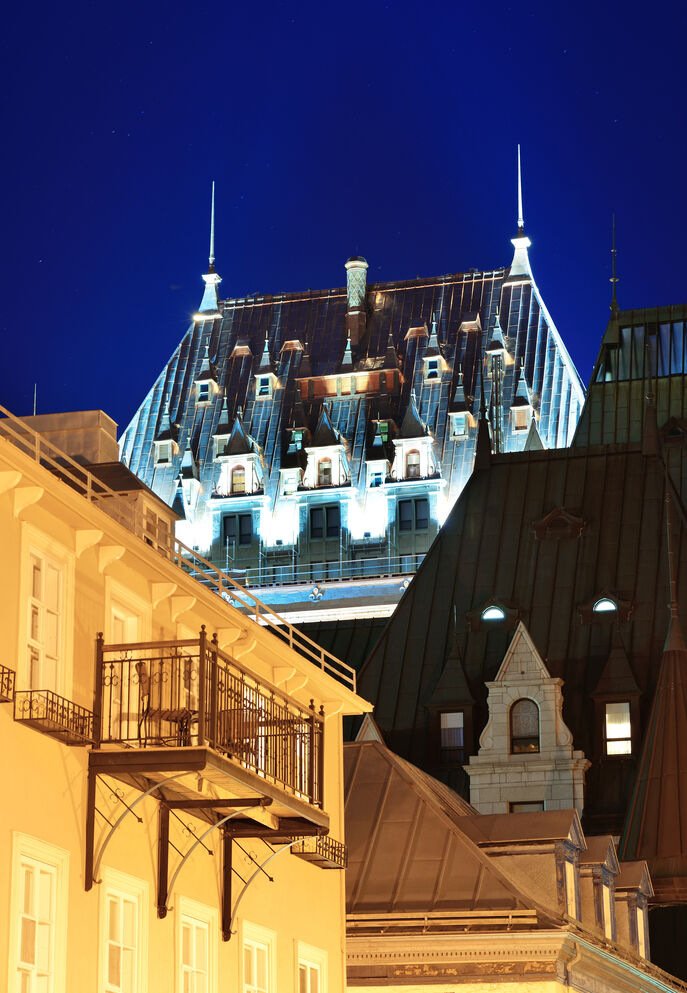
Most people lump Tallinn in with a broader “Baltic tour” — a quick stopover between Riga and Helsinki. Based on my experience. that is a mistake. This city has one of best preserved medieval old towns in all of Europe. And somehow it still feel underrated compared to Prague or Krakow.
Part of the charm is the contrast. You have got 700-year-old church spires standing next to sleek Nordic-style cafés, with a tech scene humming quietly in the background (Estonia basically invented Skype, in case you did not know). Oh, and it is cheaper than Western Europe too — which never hurts.
Explore the Old Town Like a Local.
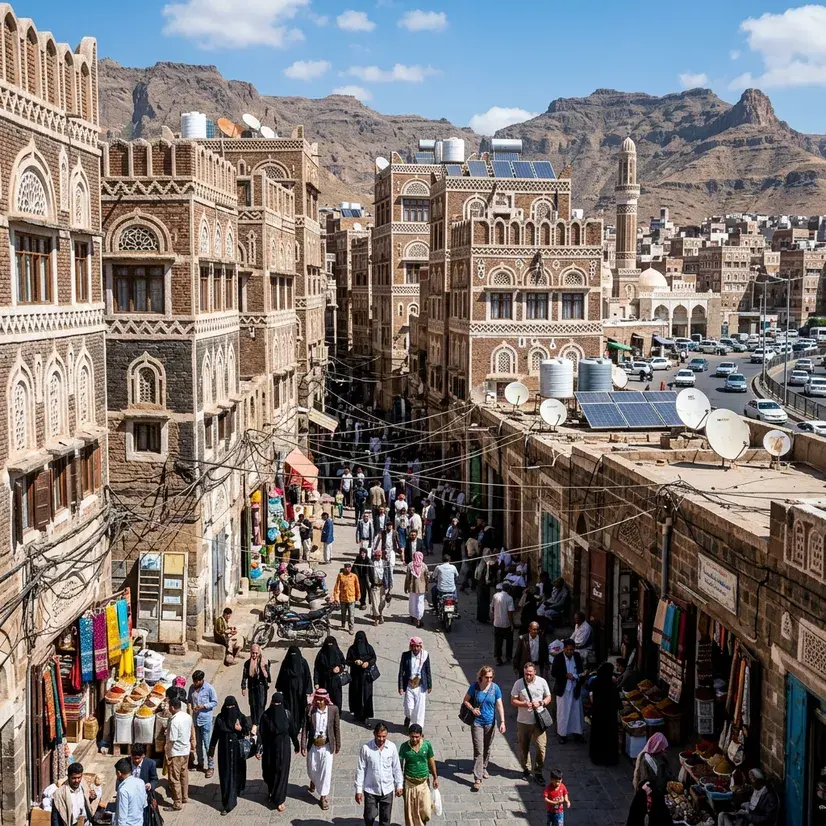
Tallinn’s Old Town. known as Vanalinn. And honestly, that is not bad thing. You can walk these streets for hours turn down some random little lane, and still stumble across something you did not notice before.
Start at Raekoja Plats. Town Hall Square. Yes it get busy with tourists. but the old Gothic Town Hall dating back to the 1400s is worth seeing anyway. Grab a coffee from one of cafés around the square, sit for while and just watch the city slowly come to life.
Then just start walking. Some of my favorite streets and little corners include:
Viru Street – This is the main pedestrian street packed with shops cafés and people passing by. It is a fun place to wander without any real plan.
St. Catherine’s Passage. Tucked away from busier street this little passage feel like a hidden corner of the Old Town. You will find local artist and craftspeople working with glass ceramic leather and more.
Rataskaevu Street. A little quieter and full of character this street is home to some lovely restaurants tucked inside old historic buildings.
And here is something I would definitely recommend from experience: come back to Old Town after dark. The same cobblestone street look completely different under warm streetlights. During the day they feel lively and busy. At night once most of the crowd have disappeared the whole place feels quieter calmer almost magical.
If you are lucky enough to catch the Old Town around sunset take your time. Medieval street glowing stone walls and winding cobble ston lanes are kind of scenery that make.
Toompea Hill and the Castle Views.
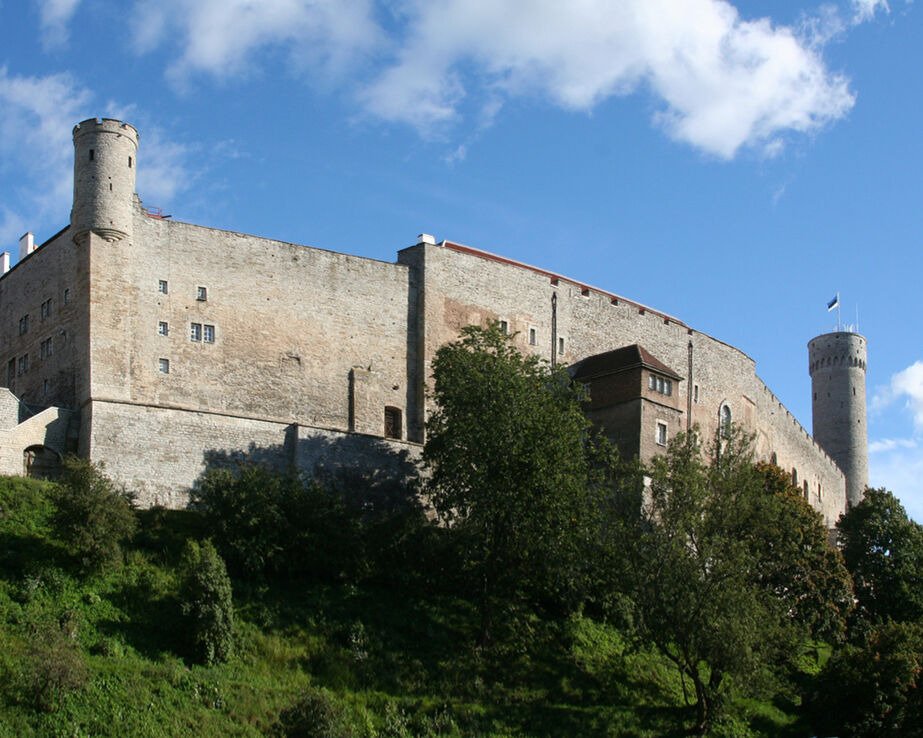
Toompea is the upper part of Old Town. perched on limestone bedrock and it is where the political and religious power used to sit. Today it is where you go for the views.
Alexander Nevsky Cathedral is the showstopper here — onion domes, ornate mosaics, genuinely stunning from outside and in. Right next to it sits Toompea Castle, now home to Estonia’s parliament.
But the real reason to climb up here is the viewing platforms. There are two main ones — Kohtuotsa and Patkuli — and both give you that classic postcard shot of red rooftops and church spires stretching toward the sea. I’d argue Patkuli has the edge because you also catch a glimpse of the port and Gulf of Finland in the distance.
Kadriorg Park and the Kumu Art Museum.
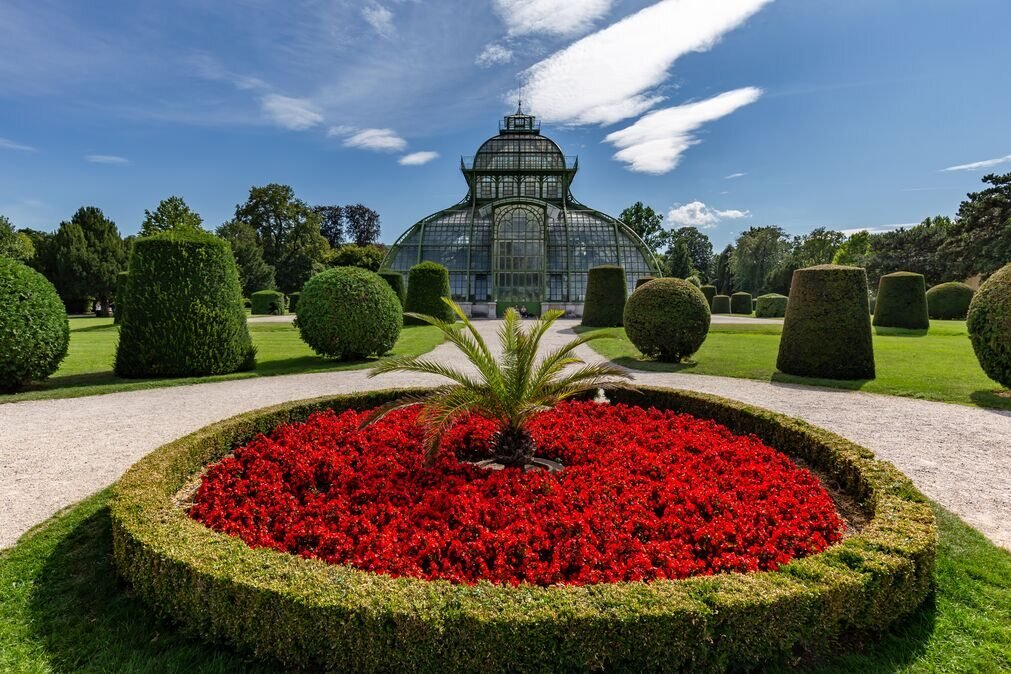
If the Old Town starts to feel little cramped (it happens — those streets get busy in peak season). Kadriorg Park is your escape valve. It is (15 20) minute walk a quick tram ride from downtown.
Peter Great commissioned this park in 18th century and the baroque Kadriorg Palace still anchors it. The garden are genuinely lovely for slow afternoon walk. Especially in autumn. When the leaves turn.
Right in the park you will find Kumu Art Museum. Which houses Estonia’s largest collection of art. Even if museums are not usually your thing the building itself — all curved copper and glass built into limestone cliff — is worth the visit alone.
Telliskivi Creative City for a Modern Contrast.
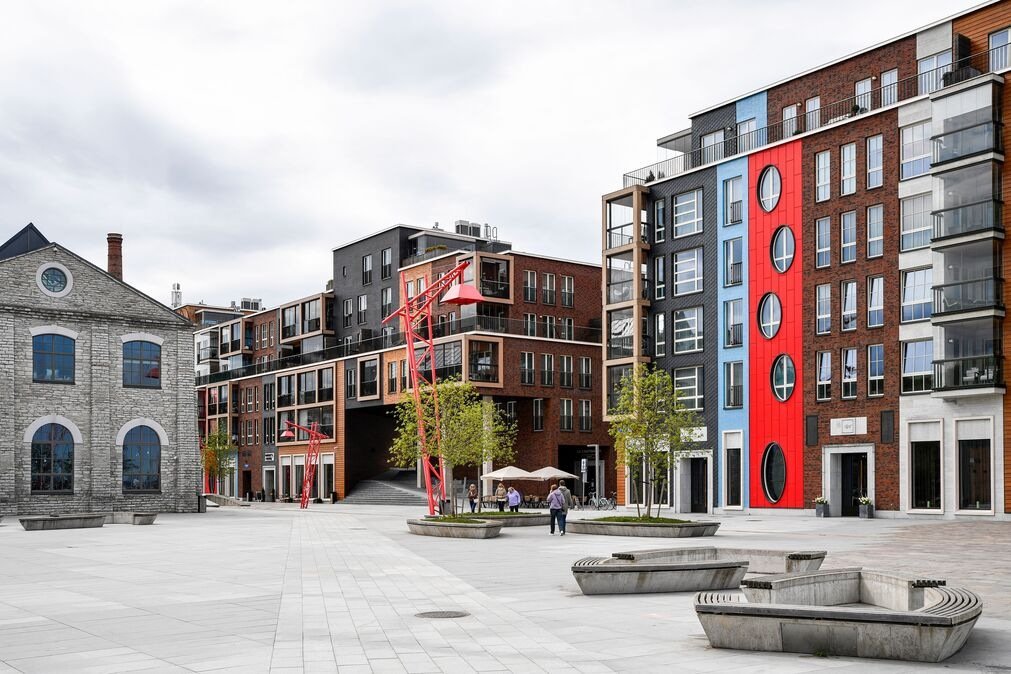
After a couple days of medieval towers. Telliskivi feels like stepping into completely different city. This former industrial complex has been converted into hub of galleries indie shops street food stalls and bars.
It is rough around the edges in good way — graffiti covered walls, repurposed shipping containers, and genuinely creative energy that polished Old Town does not have.
Some things I would recommend doing here:
Browse the weekend flea market if your timing lines up.
Grab lunch from one of food stalls the ramen spot near the entrance was a personal favorite.
Check out F-Hoone a restaurant bar. that is popular with locals not just tourists.
Colorful street art on converted warehouse in Telliskivi district. Telliskivi Creative City Tallinn street art and shops.
Day Trip Option Worth Your Time.
Tallinn is compact enough that you can genuinely see highlights in three days. which leave room for a day trip if you are staying longer.
Lahemaa National Park about an hour east give you bogs forests and old manor houses — totally different side of Estonia. Paldiski former Soviet naval base is eerie and fascinating if you are into abandoned military history.
If ferries are your thing. Helsinki is only about two hours away by boat. and plenty of people do it as a same-day round trip.
Food and Drink You Should not Skip.
Estonian food does not get talked about much internationally. And that is honestly a shame. It is hearty little rustic and surprisingly good.
Things worth trying:
Verivorst blood sausage. — sounds intense tastes better than it sounds.
Kama — a traditional flour buttermilk mix kind of like a dessert meets breakfast thing.
Black bread — dense, dark, served with almost everything.
Vana Tallinn liqueur — sweet spiced a little intense. but a must-try souvenir bottle.
For a proper sit down meal, Rataskaevu 16 was one of my best meals in the Baltics, full stop. Reserve ahead it book up fast in summer.
Practical Tips for Visiting Tallinn.
Best time visit: Late spring early autumn May–September for weather. December for Christmas market. which are genuinely magical.
Currency. Euro card payments are accepted almost everywhere.
Walking shoe matter: Cobblestone are charming until your feet hate you by hour three.
Old Town passes: Tallinn Card can save money if you are museum heavy. But calculate it against your actual. plans first — it is not always worth it for casual sightseers.
Language: English is widely spoken, especially by anyone under 40.
Common Mistake Travelers Make.
I have made a couple of these myself so learn from it:
Only budgeting one day — Tallinn rewards slower exploration; two to three days is the sweet spot
Sticking only to the Old Town — you’ll miss Kadriorg and Telliskivi, which show a completely different personality of the city.
Ignoring cruise ship crowd timing — if a big ship is docked, the Old Town gets noticeably busier by mid-morning; check schedules and go early.
Skipping the food scene because it’s “just Baltic food” — genuinely underrated cuisine.
Final Thoughts.
Tallinn is not flashy in the way some European capital try to be and that exactly what make it special. It is a city you feel more than you photograph. if that make sense — though you will definitely photograph it plenty anyway.
Whether you have got one day or five. go in expecting to slow down a little. Wander without strict plan for at least one afternoon. That is usually when the best moments happen anyway.
Question Answers.
Is Tallinn worth visiting for just one day.
It is possible to hit the major Old Town high lights in a day but you will be rushing. Based on my experience two to three days. lets you actually enjoy pace of the city, explore Kadriorg and Telliskivi and maybe even fit in a day trip without feeling exhausted whole time.
Is Tallinn expensive compare to other European cities.
Tallinn is noticeably cheaper than Western European capital like Paris Amsterdam though prices have crept up in recent years. Especially in the Old Town. Eating and staying just outside tourist core can save you good amount without sacrificing much convenience.
What is the best time of year to visit Tallinn.
Late spring through early autumn give you the best weather for walking around with long daylight hours in summer. That said December bring a genuinely charming Christmas market vibe to Raekoja Plats. if you do not mind the cold.
Do I need to know Estonian to get by as a tourist.
Not really. English is widely spoken, Especially among younger Estonians and anyone working in tourism hospitality, retail. Learning a few basic phrases is appreciated. but you won’t need them to get around comfortably.
0 Comments